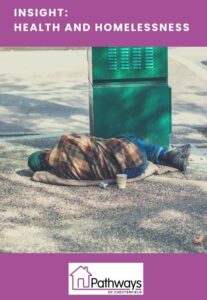
When someone loses their home, it’s not just walls and warmth they lose — it’s their health, their safety, and often, their sense of being cared for. Without a stable place to rest, recover, or feel secure, even the smallest health problem can quickly become a crisis. With cold winter weather comes cracked hands and bleeding knuckles which can soon develop infection when you haven’t got access to first aid and hot water to clean those sores.
Data from Homeless Link reminds us how deeply our health is tied to our housing. People without a safe home are far more likely to experience poor physical and mental health. Many live with ongoing pain, untreated conditions, and the exhaustion that comes from living on the streets or are weary from nights spent in unsafe or temporary places. It’s a cycle that’s hard to break: ill health can make it difficult to find or keep housing, and homelessness itself can make existing health problems worse.
The numbers are stark — but they tell very human stories.
When you don’t have a home, seeing a doctor or dentist isn’t easy. Finding food, warmth, or safety often comes first. Health issues are sometimes put aside, not intentionally from self-neglect, but from lack of confidence, unease, vulnerability and necessity.
Everyone deserves more than survival — everyone deserves a place to get well, to rest, and to recuperate. We all know how horrible a common cold can feel, imagine how much worse it would feel if you haven’t the comfort of your own home.