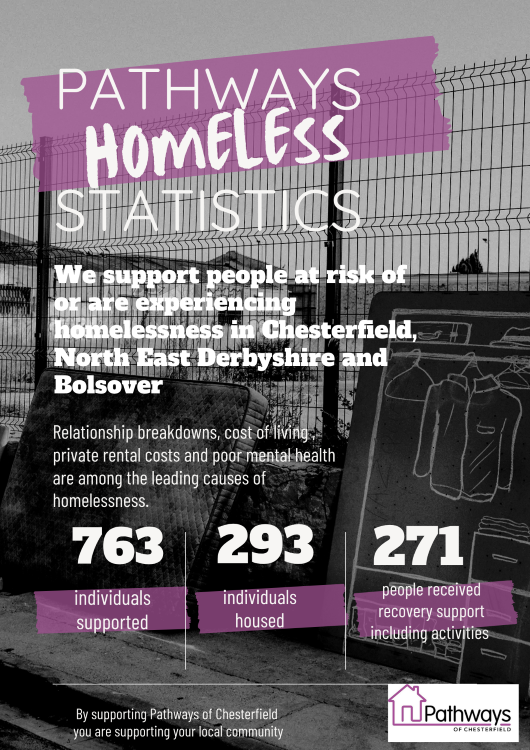
We can show you the statistics. We can report on outcomes, referrals, housing moves, appointments attended, and support plans completed.
 
But the numbers don’t tell the real story.
 
They don’t tell you about us sitting beside a rape victim through invasive examinations, making sure she didn’t have to face one of the most traumatic moments of her life alone.
 
They don’t tell you about a staff member sitting at the bedside of someone who was dying, reading them a book because they had nobody else there during those final hours.
 
They don’t tell you about the funerals we’ve attended for people we cared about. The tears shed after the service. The heartbreak of wondering why them?
 
They don’t tell you about the early mornings or the late finishes. The appointments attended and supported with because a person was so overwhelmed by anxiety, addiction, trauma, or poor mental health that they simply could not walk through the door alone.
 
They don’t tell you about the frustration, anger, and despair that is often directed at us by people who are hurting, frightened, or exhausted from fighting battles most of us will never fully understand. They don’t tell you how we absorb that and come back the next day anyway.
 
Because behind every statistic is a human being.
 
A person who has slept on the streets. A victim fleeing abuse. Someone battling addiction. Someone living with trauma. Someone who has lost everything. Someone who believes nobody cares.
 
We choose to stand beside people when life is at its hardest. To celebrate the victories, however small. To carry hope when someone has none left. To keep showing up when others have walked away.
 
Our vision is simple: a community where everyone has a place to call home, where people can thrive, belong, and be valued.
 
The statistics will never tell that story.
 
But the lives touched, the hands held, the tears shared, and the hope restored tell it better than any number ever could.